
A portrait of brotherhood, freedom, and the road that connects them.
13th Consecutive takes us behind the image of the motorcycle club and into the people who make it what it is.
The film follows Moto Club The Prophets, a group of riders whose shared passion for motorcycles grew into something much bigger — a brotherhood built around loyalty, trust, freedom, and the simple idea that some journeys are better when you don’t ride them alone.
The club’s story began with a small group of people looking for something beyond the routine of everyday life. Over time, rides became traditions, friendships became family, and the road became a place where different lives could meet.
Our intention was to document that evolution without trying to define it for them.
Instead of making a film about motorcycles, we wanted to make a film about the people behind the motorcycles.
The Filmmaker’s Approach
From the beginning, we knew that the obvious images would only tell part of the story.
Motorcycles, leather, engines, highways, and rallies naturally create striking visuals. But those images can also become predictable very quickly. We wanted to go further.
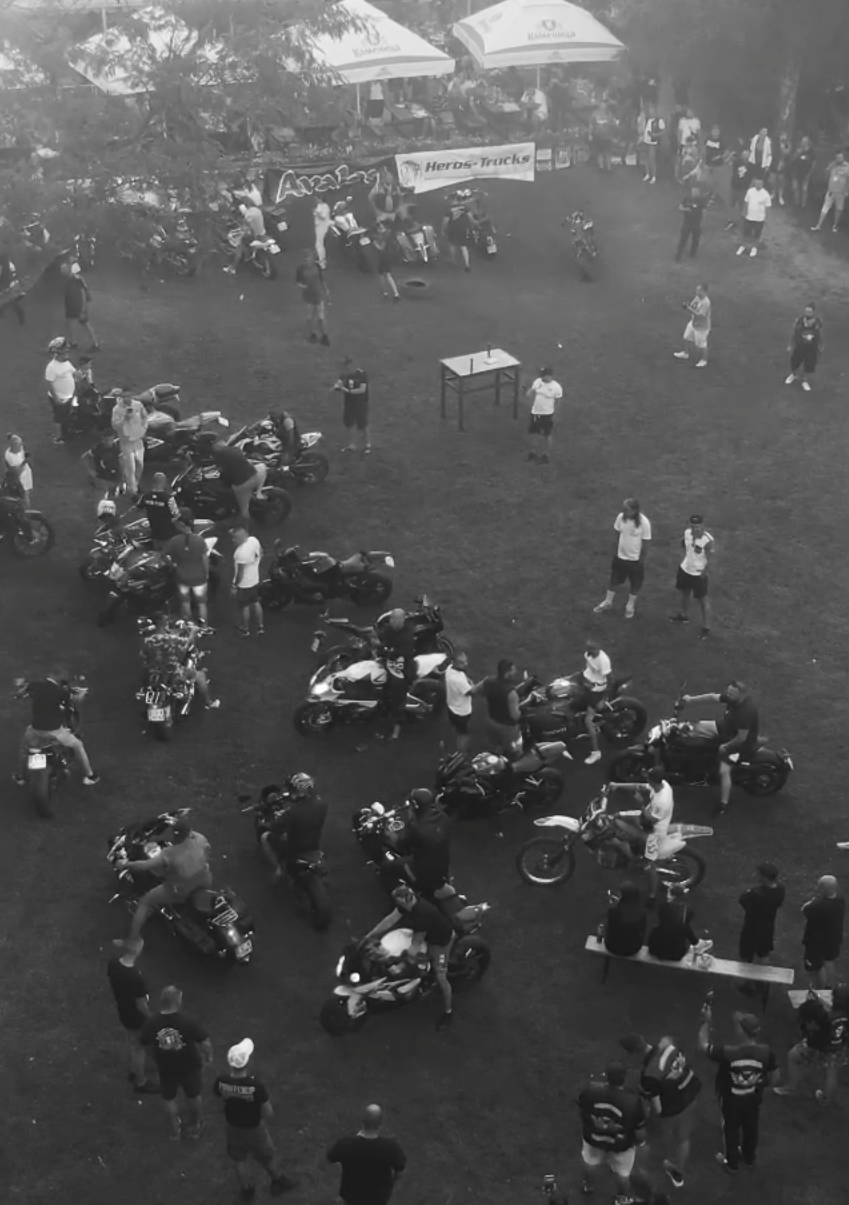
We spent time with the members of The Prophets and allowed the camera to observe their world as it naturally unfolded. Rides, gatherings, preparation, celebrations, conversations, and the quieter moments between them all became part of the story.
On the Road
The road became one of the film’s main characters.
There is something inherently cinematic about a group of motorcycles moving through a landscape. The sound, the movement, the changing scenery and the sheer physicality of travelling together create a natural rhythm for the film.
Cinematography
The larger moments — rallies, group rides and gatherings — give the film scale and energy. Wider compositions allow us to see the club as a collective and place the riders within the environments they travel through.
Closer coverage brings us back to the individuals.
The Hometown Screening
For us, the story didn’t really end when the film was finished.
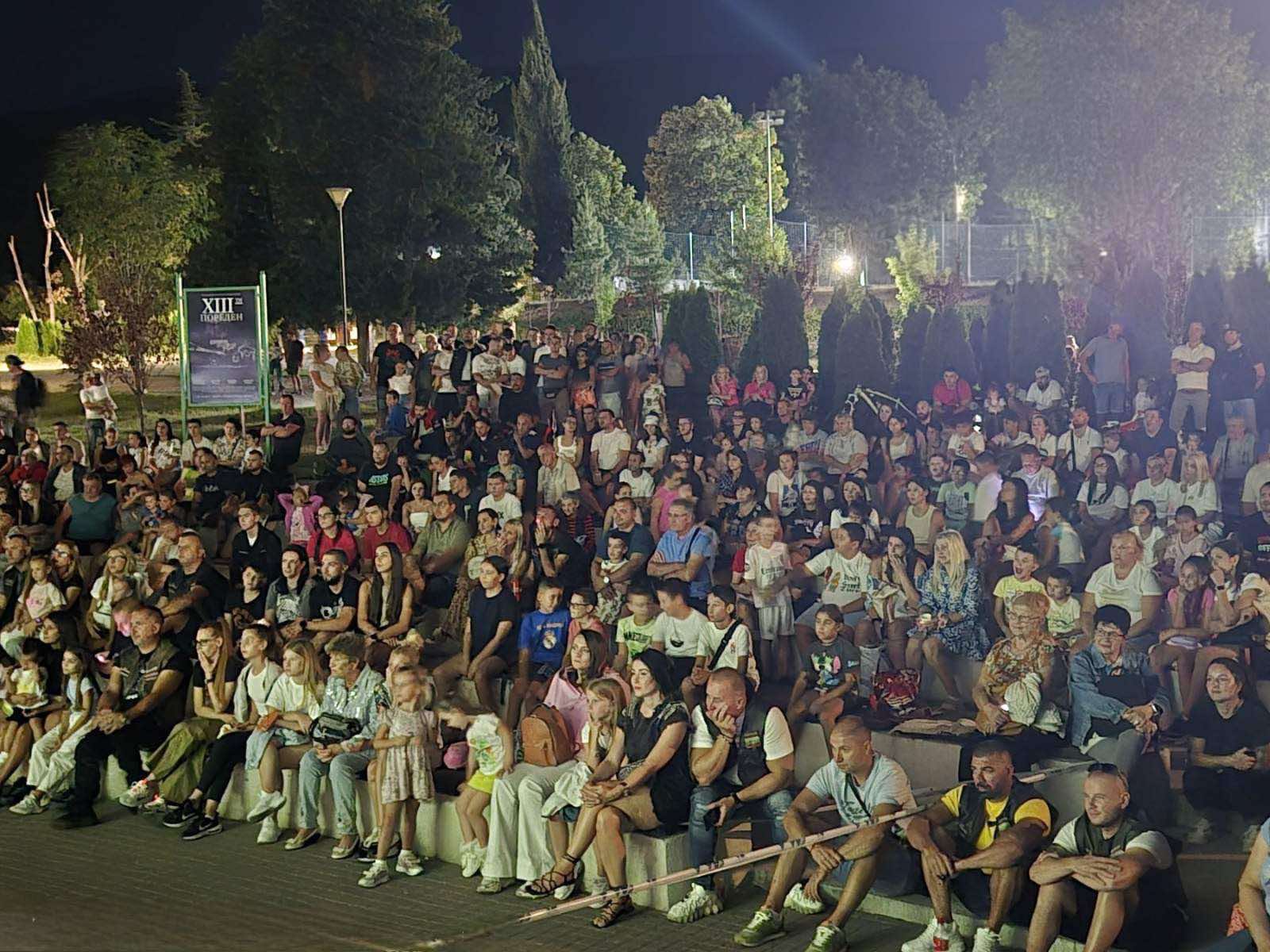
The documentary was screened in The Prophets’ hometown, turning the premiere into something much bigger than a traditional film screening.
Almost the entire town came together to watch the story of people they knew — friends, family members, neighbours and familiar faces suddenly appearing on a cinema screen.
There was something particularly meaningful about watching a documentary about a local community with that same community sitting in the audience.
People weren’t watching a distant story about strangers.